Conference Dates
September 20-22, 2027
The 2nd Edition of the World Catalysis and Chemical Engineering Network Congress (WCCN 2027) will take place from September 20-22, 2027 in Barcelona, Spain, in a Hybrid Format (In-person & Virtual). Building on the success of its first edition, WCCN 2027 brings together global experts, researchers, and industry leaders to share insights and explore the latest innovations in catalysis and chemical engineering.
Theme: Advancing Catalysis: Integrating Knowledge and Innovation for Next Generation Solutions
This premier event will feature plenary and keynote sessions, interactive discussions, and networking opportunities, offering participants a platform to exchange ideas and foster collaborations. Key themes include nanocatalysts, green chemistry, reaction engineering, sustainable energy, and process design. The event will spotlight a wide range of topics — from catalytic materials, nanocatalysts, green chemistry, and reaction engineering to sustainable processes, renewable energy technologies, and industrial applications. WCCN 2027 aims to bridge the gap between academic research and practical implementation, inspiring new solutions for global challenges in energy, environment, and materials science.
Join us in Barcelona, Spain—or connect virtually—to be part of an inspiring experience that bridges research and real-world applications. WCCN 2027 is your gateway to global networking, knowledge sharing, and shaping the future of chemical engineering and catalysis.
Catalytic materials play a crucial role in accelerating chemical reactions by lowering activation energy without being consumed in the process. These materials are broadly categorized into homogeneous, heterogeneous, and enzymatic catalysts, each offering unique advantages depending on the reaction type and environment. Metal catalysts such as platinum, palladium, and nickel are widely used in industrial processes, while metal oxides, zeolites, and nanostructured materials provide high surface area and tunable active sites for efficient catalysis. The development of nano-catalysts and supported catalysts has further enhanced activity, selectivity, and stability, making them vital for applications in energy conversion, green chemistry, and environmental remediation.
The mechanisms of catalysis involve the adsorption of reactants on active sites, transformation through intermediate species, and subsequent desorption of products, allowing the catalyst to regenerate. Understanding these mechanisms at the molecular level helps in designing more effective catalysts with improved efficiency. Advanced techniques such as in-situ spectroscopy, computational modeling, and surface analysis provide insights into reaction pathways and kinetics. Emerging fields like photocatalysis, electrocatalysis, and biocatalysis integrate principles of physics, chemistry, and biology to develop sustainable catalytic systems. Overall, the study of catalytic materials and mechanisms is central to innovation in chemical engineering, environmental protection, and renewable energy technologies.
Key Highlights
• Site-based classification of major cancer types
• Clinical features of breast and chest wall cancers
• Lung and thoracic malignancies: diagnosis and staging
• Gastrointestinal, hepatobiliary, and pancreatic cancers overview
• Gynecological and genitourinary cancer patterns
Why This Session Is Important
• Improves understanding of cancers based on anatomical origin
• Supports accurate site-specific diagnosis and staging
• Guides appropriate treatment planning by cancer location
• Enhances multidisciplinary coordination in oncology care
• Promotes personalized, evidence-based management strategies
Catalysis is fundamental to modern chemical synthesis, enabling the efficient and selective formation of desired products while minimizing waste and energy consumption. In both academic and industrial settings, catalysts are used to drive reactions that would otherwise proceed too slowly or require harsh conditions. Homogeneous catalysis, often involving transition metal complexes, offers precise control over reaction selectivity, making it valuable for fine chemical and pharmaceutical synthesis. On the other hand, heterogeneous catalysis, where the catalyst and reactants are in different phases, is preferred for large-scale industrial production due to its ease of separation and reusability. Biocatalysis, employing enzymes or whole cells, represents a sustainable approach that leverages nature’s efficiency for green and eco-friendly chemical transformations.
Catalytic methods are essential in key synthetic processes such as hydrogenation, oxidation, polymerization, and carbon–carbon coupling reactions. The development of asymmetric catalysis has revolutionized the synthesis of chiral compounds, crucial in the pharmaceutical and agrochemical industries. Advances in nanocatalysis and photocatalysis have opened new possibilities for designing more active, selective, and stable catalysts. Moreover, combining computational chemistry and mechanistic studies aids in understanding and predicting catalytic behavior, accelerating the discovery of novel systems. Overall, catalysis for chemical synthesis not only enhances process efficiency and product quality but also contributes to sustainable development by reducing environmental impact and resource consumption.
Key Highlights
• Catalytic approaches for organic and inorganic synthesis
• Improving reaction efficiency, yield, and selectivity
• Sustainable and green synthesis methodologies
• Catalyst design for complex molecule synthesis
• Applications in pharmaceuticals, fine chemicals, and materials
Why This Session Is Important
• Strengthens understanding of catalyst-driven synthesis
• Supports sustainable and scalable chemical production
• Enhances innovation in synthetic chemistry and process development
• Bridges academic research with industrial applications
• Promotes efficient, cost-effective synthesis strategies
Chemical Engineering is a multidisciplinary field that integrates principles of chemistry, physics, biology, and mathematics to design, develop, and optimize processes for producing valuable materials and products. It focuses on transforming raw materials into useful commodities such as fuels, pharmaceuticals, polymers, food, and specialty chemicals in an efficient, safe, and sustainable manner. Core areas of study include thermodynamics, reaction engineering, transport phenomena, and process control, which together form the foundation for designing and operating chemical plants. Chemical engineers play a vital role in scaling up laboratory research to industrial production, ensuring that processes are both economically viable and environmentally responsible.
In recent years, the scope of chemical engineering has expanded beyond traditional manufacturing to include emerging fields such as biotechnology, nanotechnology, materials science, and renewable energy systems. Chemical engineers are at the forefront of developing green technologies, including carbon capture, waste valorization, and sustainable energy solutions like hydrogen production and biofuel synthesis. The use of computational modeling, process simulation, and artificial intelligence has enhanced process optimization and innovation. Overall, chemical engineering serves as a bridge between scientific discovery and industrial application, driving progress across multiple sectors and contributing significantly to global technological and environmental advancements.
• Core principles of chemical engineering and process design
• Reaction engineering and reactor design
• Separation technologies and process optimization
• Scale-up from lab to industrial production
• Applications across chemicals, energy, and materials industries
• Strengthens understanding of fundamental chemical engineering concepts
• Supports efficient and safe process design and optimization
• Bridges research innovations with industrial-scale applications
• Promotes sustainable and energy-efficient engineering solutions
• Enhances problem-solving skills for real-world engineering challenges
Catalysis plays a pivotal role in converting renewable resources into sustainable fuels, chemicals, and energy, addressing the growing need for environmentally friendly alternatives to fossil-based materials. Biomass, a primary renewable resource, can be transformed into biofuels, biochemicals, and hydrogen through catalytic processes such as hydrolysis, transesterification, pyrolysis, and gasification. Heterogeneous catalysts, including metal oxides, supported metals, and zeolites, are commonly employed to improve conversion efficiency and selectivity, while enzymatic and biocatalytic systems offer mild and eco-friendly pathways for producing high value chemicals from renewable feedstocks.
Emerging catalytic technologies also enable photocatalysis, electrocatalysis, and photoelectrochemical processes for harnessing solar and electrical energy to generate fuels like hydrogen and syngas from water, CO2, and biomass derivatives. Understanding the mechanisms of catalysis and the interaction between active sites and reactants is crucial for designing robust and scalable systems. Integration of nanocatalysts, computational modeling, and process intensification techniques further enhances performance, making renewable catalysis a cornerstone of the circular economy. Overall, catalysis for renewable sources contributes significantly to sustainable energy production, environmental protection, and the development of a low-carbon future.
Zeolites are crystalline microporous aluminosilicate materials that have become indispensable in catalysis due to their unique structural, chemical, and textural properties. Their uniform pore size, high surface area, and tunable acidity allow zeolites to act as highly selective catalysts in numerous chemical processes. They are widely used in petroleum refining, petrochemical synthesis, and environmental applications, facilitating reactions such as hydrocracking, isomerization, alkylation, and adsorption of pollutants. The ability to modify zeolite frameworks by introducing different metal ions or functional groups enhances their catalytic activity and selectivity for specific reactions.
The catalytic mechanisms of zeolites rely on the confinement of reactant molecules within their pores, which promotes selective transformation while minimizing side reactions. Both Brønsted and Lewis acid sites present in zeolites play a crucial role in protonation and electron transfer during chemical reactions. Advances in nano-zeolites, hierarchical structures, and composite materials have further improved diffusion, accessibility, and stability, making them suitable for modern applications like biomass conversion, green chemistry, and sustainable energy production. By combining experimental studies with computational modeling, researchers can design zeolites with tailored properties to meet specific industrial and environmental needs, positioning them as a cornerstone in catalytic science.
• Fundamentals of zeolite structures and properties
• Zeolite-based catalysts for chemical synthesis
• Shape-selective catalysis and reaction selectivity
• Industrial applications in petrochemicals and refining
• Advances in zeolite synthesis and modification
• Enhances understanding of zeolite materials in catalysis
• Supports efficient and selective catalytic processes
• Bridges fundamental research with industrial applications
• Promotes innovation in porous catalytic materials
• Advances sustainable and high-performance catalysis technologies
Catalysis is broadly classified into homogeneous and heterogeneous systems based on the phase of the catalyst relative to the reactants. In homogeneous catalysis, the catalyst and reactants exist in the same phase, usually liquid. This allows for uniform mixing, intimate contact, and precise control over reaction conditions, resulting in high selectivity and efficiency. Common examples include transition metal complexes in organic synthesis and acid/base catalysts in esterification or hydrolysis reactions. Homogeneous catalysts are particularly valuable in fine chemical and pharmaceutical industries, where product specificity and stereoselectivity are crucial. However, challenges such as catalyst recovery and separation often limit their large-scale application.
In contrast, heterogeneous catalysis involves catalysts in a different phase, typically solid catalysts interacting with gaseous or liquid reactants. These catalysts, including metals, metal oxides, zeolites, and supported catalysts, offer advantages like ease of separation, reusability, and durability, making them suitable for industrial-scale processes. The catalytic mechanism generally involves adsorption of reactants on the active sites, surface reactions, and desorption of products. Heterogeneous catalysts are widely used in petroleum refining, hydrogenation, oxidation, and environmental remediation. Advances in nanocatalysis, surface engineering, and computational modeling have enhanced the activity, selectivity, and stability of both homogeneous and heterogeneous catalysts, enabling more efficient and sustainable chemical processes.
• Fundamentals of homogeneous and heterogeneous catalytic systems
• Comparison of catalyst activity, selectivity, and stability
• Reaction mechanisms and kinetics in catalytic processes
• Catalyst recovery, reuse, and deactivation studies
• Industrial and fine chemical applications of catalysis
• Builds clear understanding of different catalytic systems
• Supports selection of suitable catalysts for specific reactions
• Bridges fundamental catalysis with practical applications
• Enhances efficiency and sustainability of catalytic processes
• Encourages innovation in catalyst development and application
Enzymatic and biocatalysis harness the power of biological catalysts—enzymes or whole cells—to accelerate chemical reactions with remarkable specificity and efficiency. Enzymes act as highly selective catalysts under mild conditions of temperature, pressure, and pH, reducing energy consumption and minimizing unwanted by-products. This makes enzymatic catalysis particularly valuable in pharmaceutical synthesis, food processing, and fine chemical production. Biocatalysis can also include engineered microorganisms or cell-free systems that perform complex transformations, offering a sustainable alternative to traditional chemical methods.
The mechanisms of enzymatic catalysis involve substrate binding to the active site, stabilization of transition states, and conversion into products, after which the enzyme regenerates for further cycles. Advances in protein engineering, directed evolution, and immobilization techniques have expanded the scope of biocatalysts, improving their stability, activity, and selectivity for industrial applications. Biocatalysis is increasingly integrated into green chemistry and renewable resource utilization, such as converting biomass into biofuels and biochemicals. By combining molecular biology, computational modeling, and process engineering, enzymatic and biocatalysis provide eco-friendly, efficient, and scalable solutions for modern chemical production.
• Fundamentals of enzymatic catalysis and biocatalysts
• Enzyme engineering and optimization for reactions
• Biotransformations for fine chemicals and pharmaceuticals
• Green and sustainable biocatalytic processes
• Industrial applications of biocatalysis
• Promotes eco-friendly and sustainable catalytic solutions
• Enhances efficiency and selectivity in chemical synthesis
• Bridges biology with chemical engineering applications
• Supports development of greener industrial processes
• Encourages innovation in enzyme and biocatalyst design
Biocatalysis involves the use of enzymes or whole cells to catalyze chemical reactions, offering highly selective and efficient pathways under mild conditions of temperature, pH, and pressure. It is a cornerstone of green chemistry, enabling the sustainable production of pharmaceuticals, fine chemicals, biofuels, and food ingredients while minimizing waste and energy consumption. Biocatalytic processes leverage the natural specificity of enzymes to perform stereoselective, regioselective, and chemoselective transformations, often difficult to achieve with traditional chemical catalysts. Whole-cell biocatalysis further expands possibilities by providing cofactor regeneration and multi-step enzymatic conversions within a single system.
Enzyme engineering enhances the potential of biocatalysis by modifying enzyme structures to improve stability, activity, selectivity, and substrate scope. Techniques such as directed evolution, site-directed mutagenesis, and computational protein design allow the creation of tailored enzymes for specific industrial applications. Integration of enzyme engineering with immobilization methods and process optimization has led to robust biocatalytic systems suitable for large-scale production. Together, biocatalysis and enzyme engineering are driving innovations in sustainable chemical manufacturing, renewable resource utilization, and the development of eco-friendly technologies, bridging biology and chemical engineering for next-generation industrial solutions.


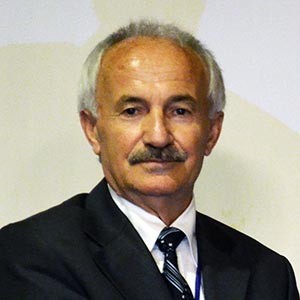
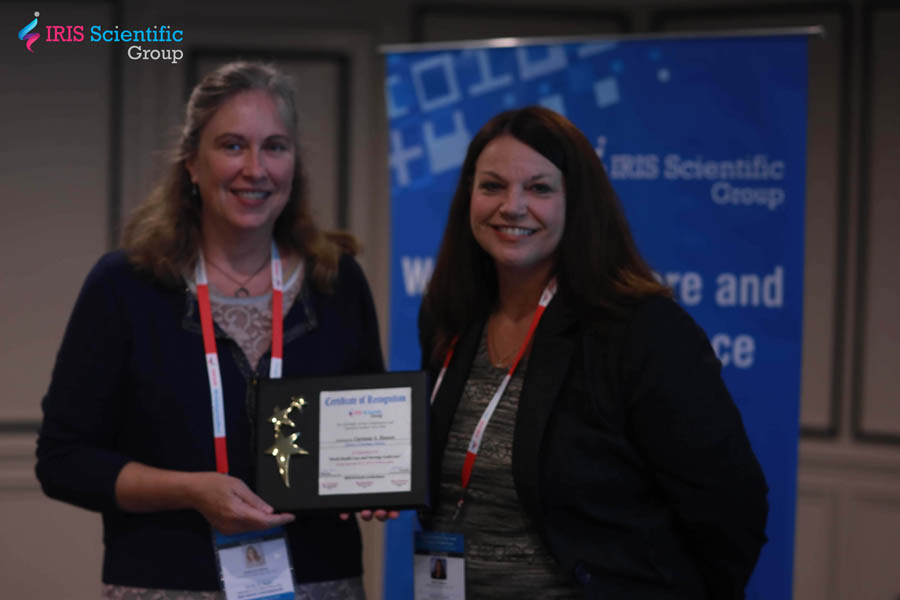
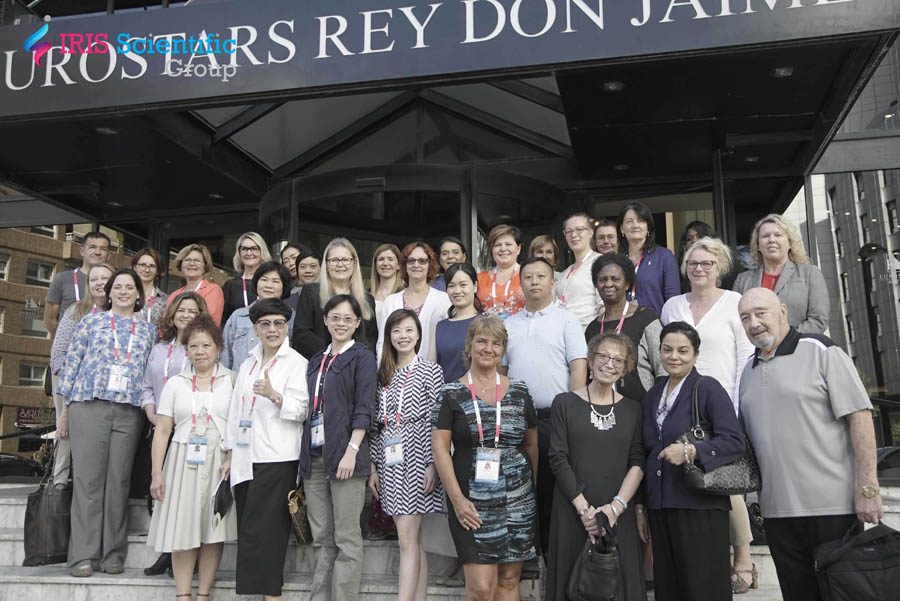
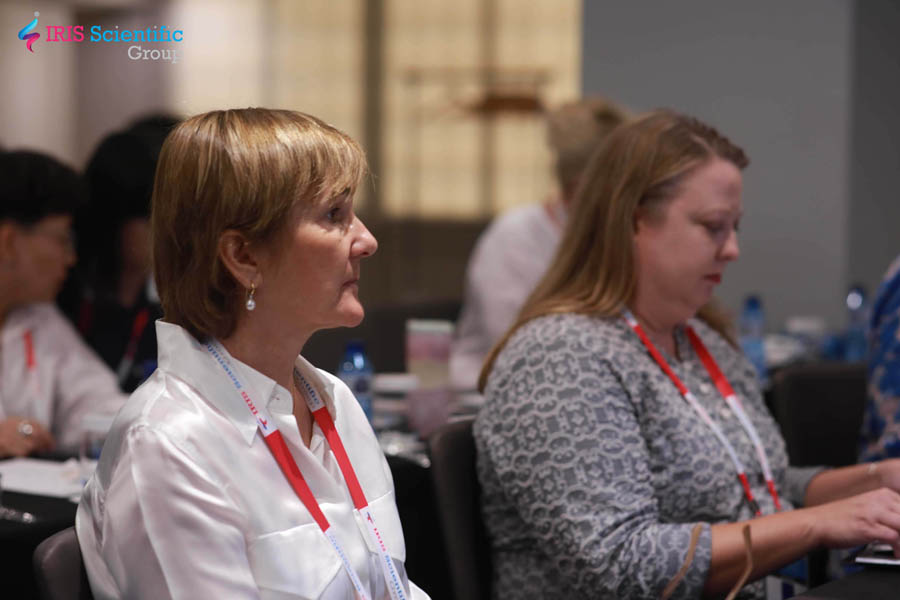
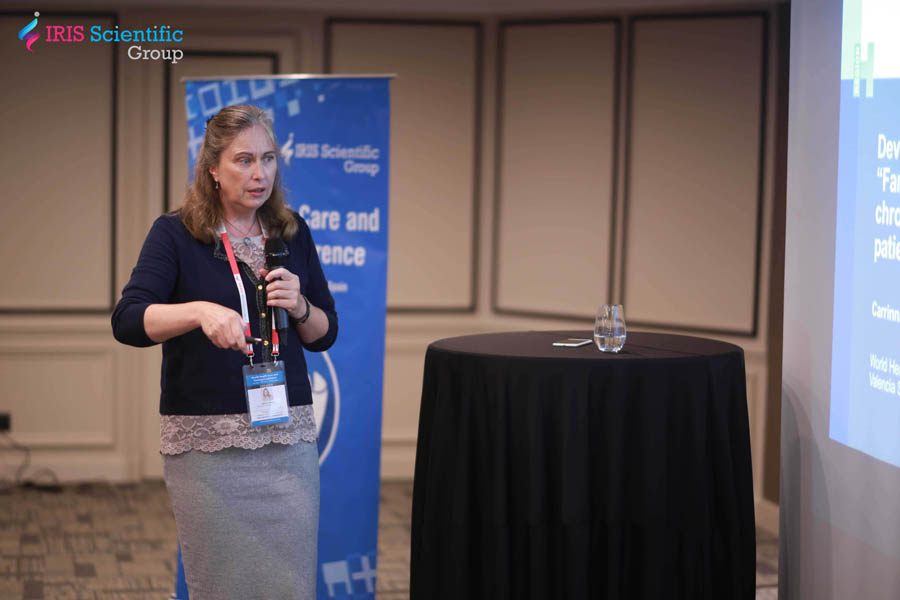
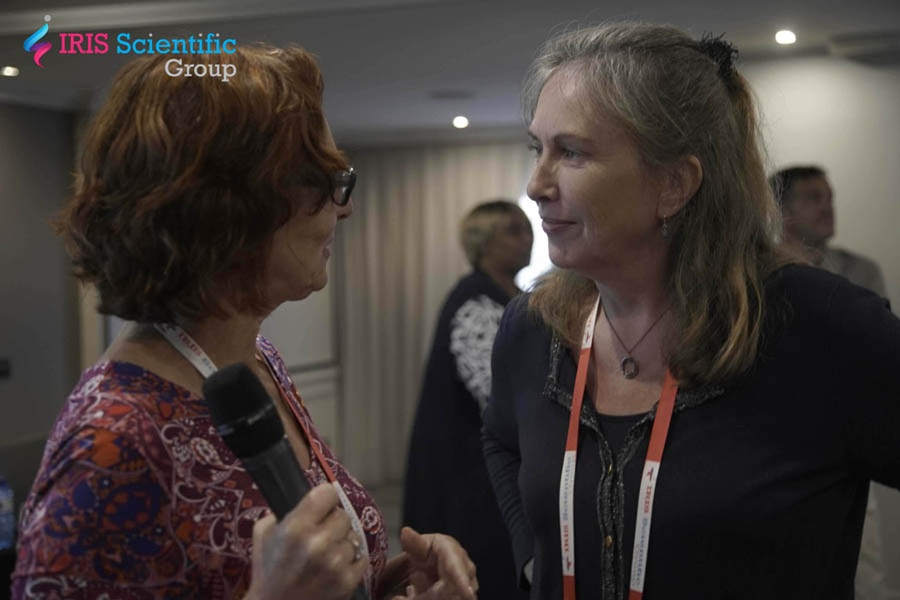
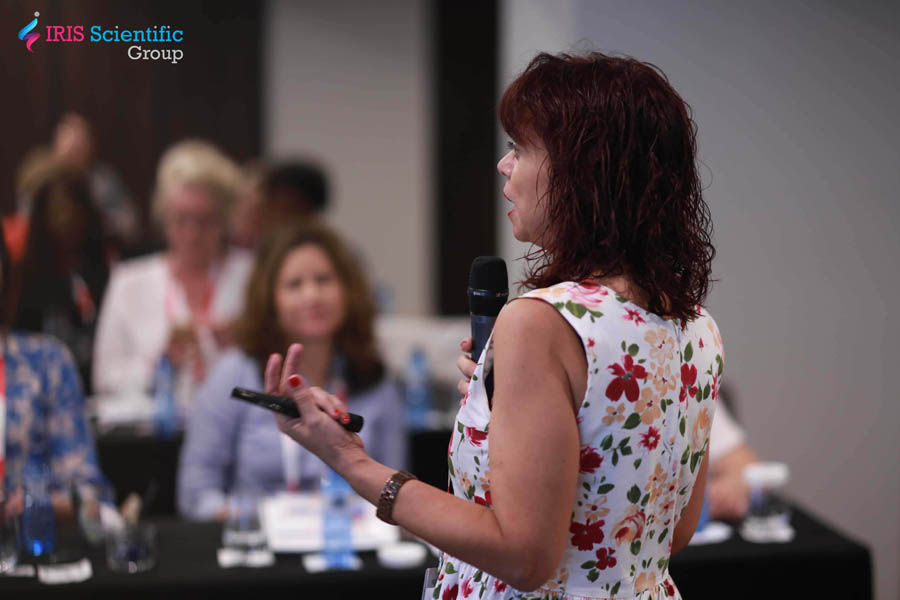
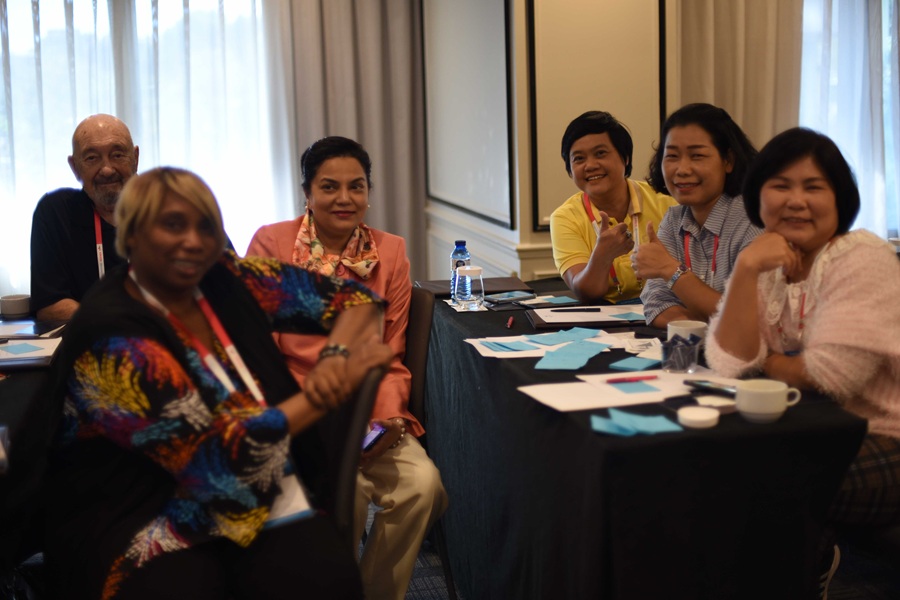
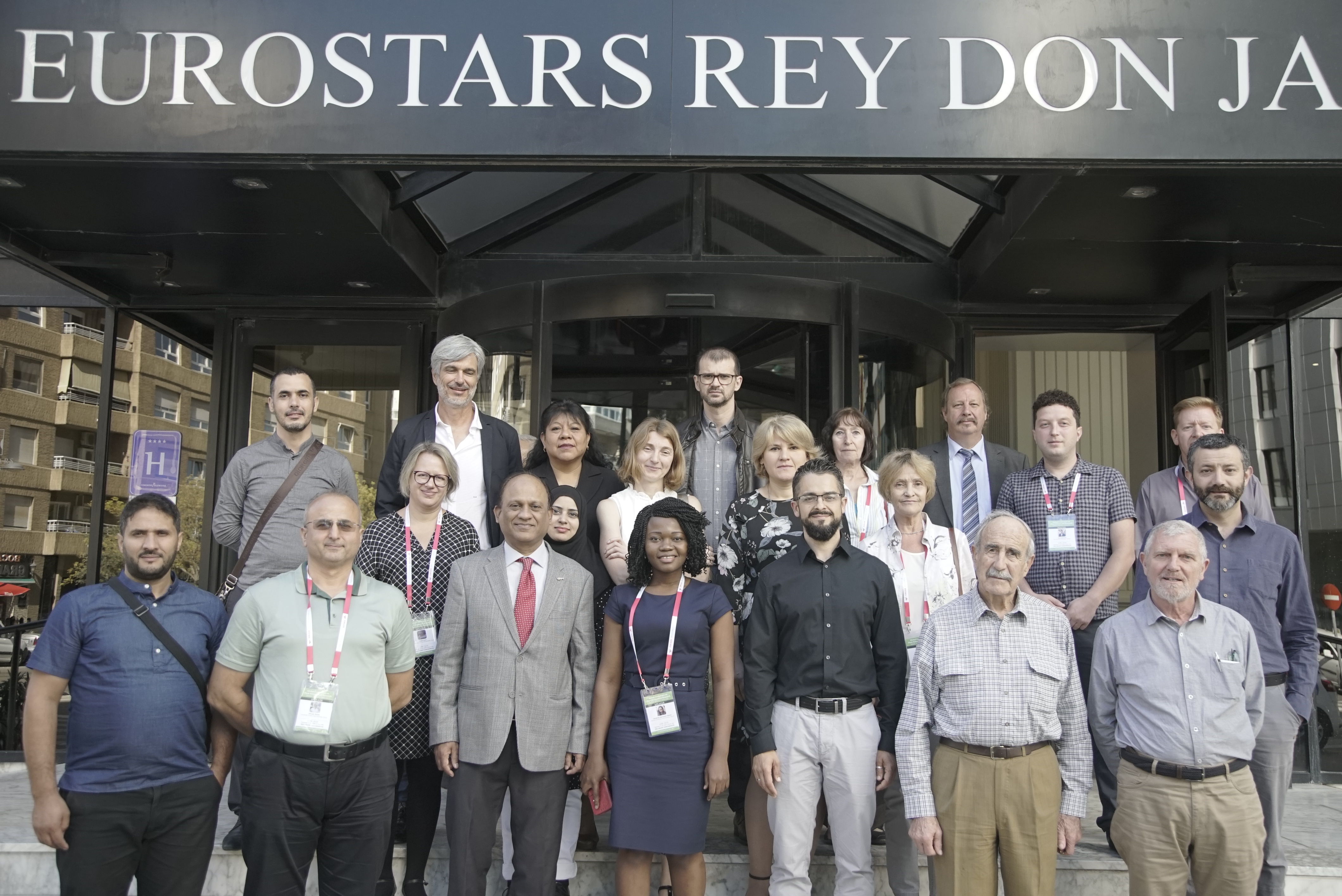
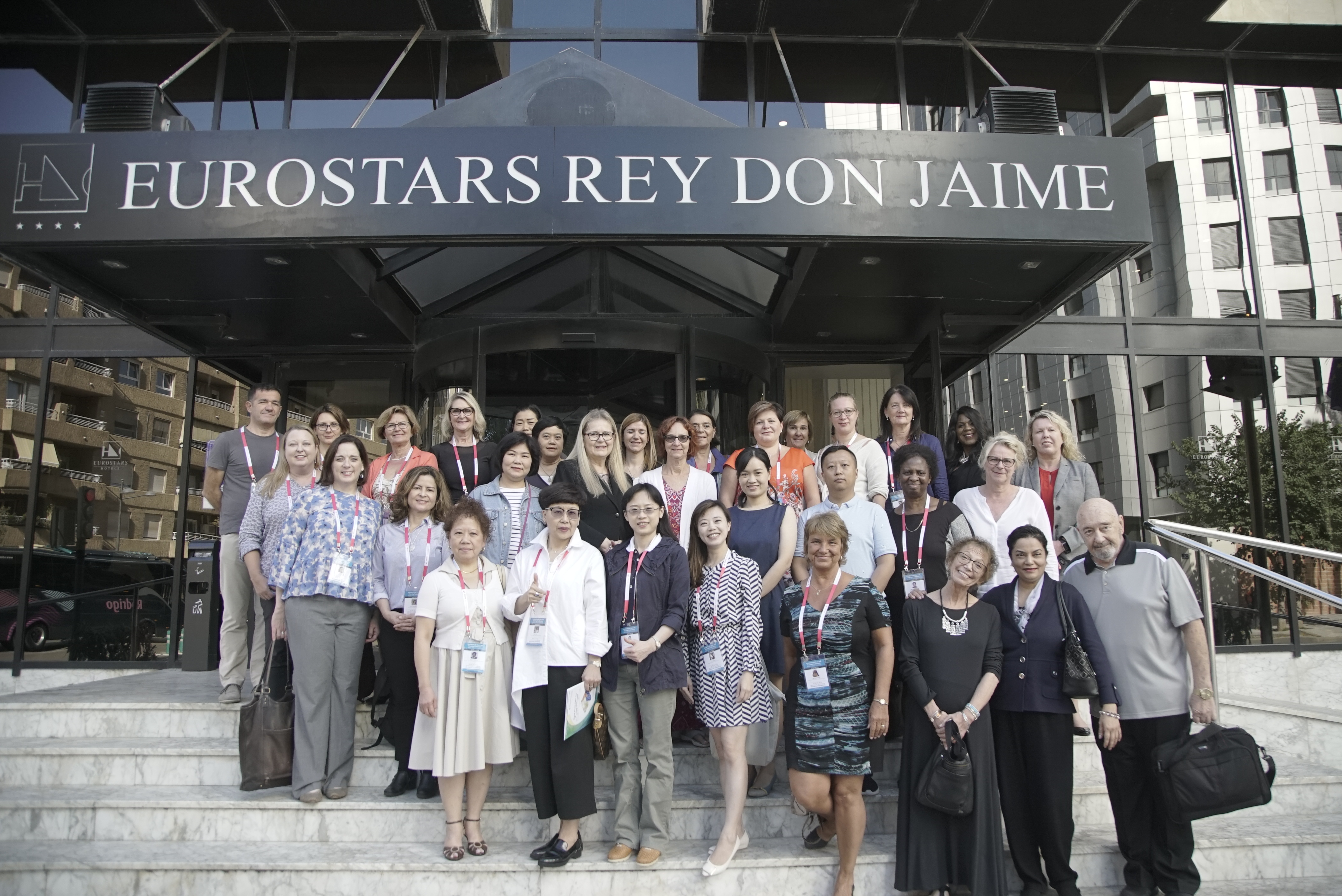
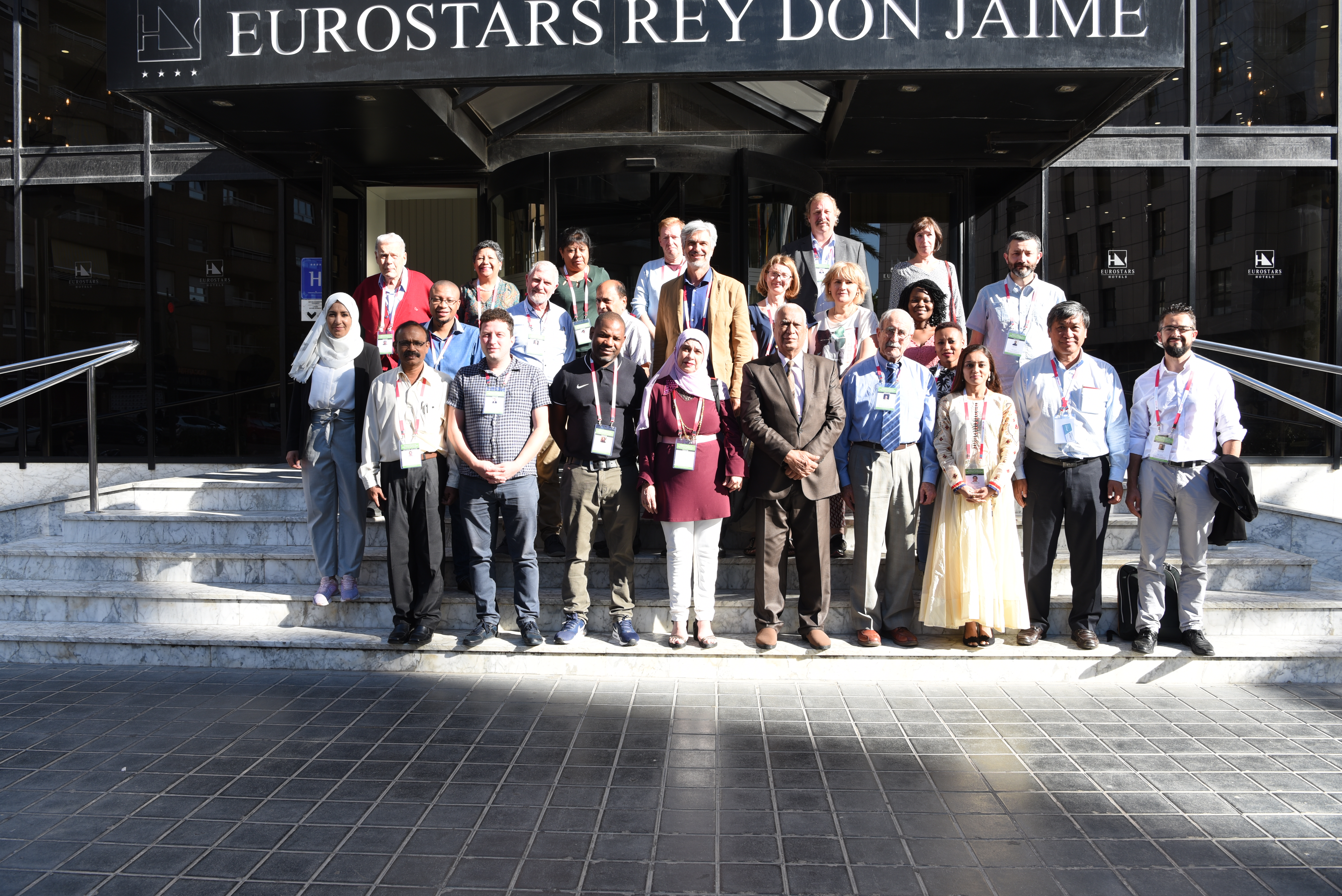
Iris Scientific Group takes great pride in announcing the successful outcome of the World Health Care and Nursing Conference (WHCN 2019) which was held in Valencia, Spain from September 23-25, 2019.
For WHCN 2019 Final Program: Click here
For WHCN 2019 Proceedings: Click Here
For WHCN 2019 Gallery: Click Here
In 2019 we were honored with the presence of renowned session leaders and keynote speakers worldwide. We want to thank the scientific committee for their dedicated participation, intellectual expertise, and their high-quality presentations.
Organizing Committee of WHCN 2019:
The Organizing Committee would like to thank the moderators Angela O'Connor, King Edward Memorial Hospital, Australia, and Carrinna A. Hansen, University of Copenhagen, Denmark for their contribution which ensued in the smooth functioning of the conference.
Iris Scientific Group is prerogative to thank the Organizing Committee Members, Keynote speakers; Chairs on engross the plenary sessions, workshops, and special sessions in an expanded manner to make this conference a privileged.
Nursing Conference 2019 Keynote Speakers:
Nursing Conference Speakers:
Nursing Conference 2019 Workshops:
Cynthia Horton, Cecil College, USA
Merita Kaunisto, Kuopio University Hospital, Finland
Hanna-Mari Nevala, Savonia University of Applied Sciences, Finland
Tiina Arpola, Savonia University of Applied Sciences, Finland
Nursing Conference 2019 Poster Presenters:
We congratulate the Best poster award winner Chantira Chiaranai, Suranaree University of Technology, Thailand. We would also like to thank Cynthia Horton, Cecil College, USA who supported us by evaluating the posters.
We thank all the participants for their magnificent contribution towards the event which facilitated us for the successful accomplishment of this event.
We greatly hope to see you again, with added vigor and with your other colleagues in "3rd International Nursing Networking Conference (INNC-2025)" during April 23-25, 2025, at Las Vegas, USA, and in Virtual format.
Iris Scientific Group takes great pride in announcing the successful outcome of the World Catalysis and Chemical Engineering Network Congress (WCCN 2025) which was held in Virtual Mode from April 23-25, 2025.
For WCCN 2025 Final Program: Click Here
In 2025 we were honored with the presence of renowned session leaders and keynote speakers worldwide. We want to thank the scientific committee for their dedicated participation, intellectual expertise, and their high-quality presentations.
Organizing Committee of WCCN 2025:
The Organizing Committee would like to thank the moderators Maria Jose Lavorante, Institution of Scientific and Technological Research for Defense, Argentina and Rahul Hajare, Sandip University, India for their contribution which ensued in the smooth functioning of the conference.
Iris Scientific Group is prerogative to thank the Organizing Committee Members, Keynote speakers; Chairs on engross the plenary sessions, workshops, and special sessions in an expanded manner to make this conference a privileged.
WCCN 2025 Keynote Speakers:
WCCN 2025 Plenary Speakers:
WCCN 2025 Speakers:
We thank all the participants for their magnificent contribution towards the event which facilitated us for the successful accomplishment of this event.
We greatly hope to see you again, with added vigor and with your other colleagues in “2nd World Catalysis and Chemical Engineering Network Congress (WCCN 2026)” during April 22-24, 2026. WCCN 2026 will be a hybrid event, offering both in-person and virtual participation options, allowing attendees to engage from anywhere in the world.
Iris Scientific Group takes great pride in announcing the successful outcome of the 3rd International Nursing Networking Conference (INNC 2025) which was held in Virtual Mode from April 23-25, 2025.
For INNC 2025 Final Program: Click Here
In 2025 we were honored with the presence of renowned session leaders and keynote speakers worldwide. We want to thank the scientific committee for their dedicated participation, intellectual expertise, and their high-quality presentations.
Organizing Committee of INNC 2025:
The Organizing Committee would like to thank the moderators Sofica Bistriceanu, Academic Medical Unit - CMI, Romania, and Anum Fatima, Chiang Mai University, Thailand for their contribution which ensued in the smooth functioning of the conference.
Iris Scientific Group is prerogative to thank the Organizing Committee Members, Keynote speakers; Chairs on engross the plenary sessions, workshops, and special sessions in an expanded manner to make this conference a privileged.
INNC 2025 Keynote Speakers:
INNC 2025 Speakers:
INNC 2025 Poster Presenters:
We thank all the participants for their magnificent contribution towards the event which facilitated us for the successful accomplishment of this event.
We greatly hope to see you again, with added vigor and with your other colleagues in “4th International Nursing Networking Conference (INNC 2026)” during April 13-15, 2026. INNC 2026 will be a hybrid event, offering both in-person and virtual participation options, allowing attendees to engage from anywhere in the world.
Iris Scientific Group takes great pride in announcing the successful outcome of the International Cancer Conference (ICC 2025) which was held in Virtual Mode from November 27-29, 2025.
For ICC 2025 Final Program: Click Here
In 2025 we were honored with the presence of renowned session leaders and keynote speakers worldwide. We want to thank the scientific committee for their dedicated participation, intellectual expertise, and their high-quality presentations.
Organizing Committee of ICC 2025:
The Organizing Committee would like to thank the moderators Don Mathew, Pacific Medical College & Hospital, India for his contribution which ensued in the smooth functioning of the conference.
Iris Scientific Group is prerogative to thank the Organizing Committee Members, Keynote speakers; Chairs on engross the plenary sessions, workshops, and special sessions in an expanded manner to make this conference a privileged.
ICC 2025 Keynote Speakers:
ICC 2025 Speakers:
We thank all the participants for their magnificent contribution towards the event which facilitated us for the successful accomplishment of this event.
We greatly hope to see you again, with added vigor and with your other colleagues in “2nd Edition of International Cancer Conference (ICC 2026)” during November 09-11, 2026. ICC 2026 will be a hybrid event, offering both in-person and virtual participation options, allowing attendees to engage from anywhere in the world.
Iris Scientific Group takes great pride in announcing the successful outcome of the Global Conference on Material Science and Nanotechnology (GCMN 2025) which was held in Virtual Mode from April 28-30, 2025.
For GCMN 2025 Final Program: Click Here
In 2025 we were honored with the presence of renowned session leaders and keynote speakers worldwide. We want to thank the scientific committee for their dedicated participation, intellectual expertise, and their high-quality presentations.
Organizing Committee of GCMN 2025:
The Organizing Committee would like to thank the moderators Santoshi Misra, St. Ann's College for women, India for her contribution which ensued in the smooth functioning of the conference.
Iris Scientific Group is prerogative to thank the Organizing Committee Members, Keynote speakers; Chairs on engross the plenary sessions, workshops, and special sessions in an expanded manner to make this conference a privileged.
GCMN 2025 Keynote Speakers:
GCMN 2025 Plenary Speakers:
GCMN 2025 Speakers:
GCMN 2025 Poster Presenters:
We thank all the participants for their magnificent contribution towards the event which facilitated us for the successful accomplishment of this event.
We greatly hope to see you again, with added vigor and with your other colleagues in “2nd Global Conference on Material Science and Nanotechnology (GCMN 2026)” during April 13-15, 2026.
GCMN 2026 will be a hybrid event, offering both in-person and virtual participation options, allowing attendees to engage from anywhere in the world.
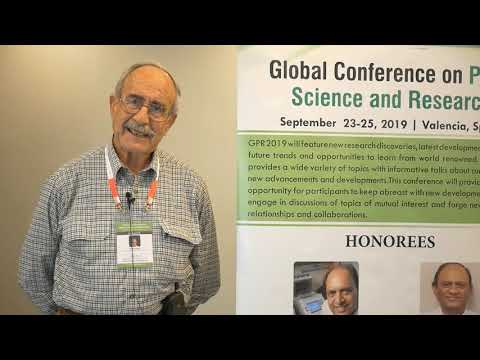
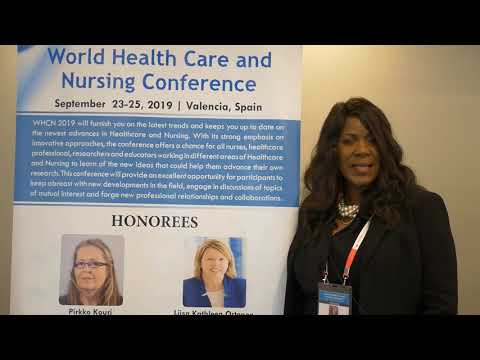
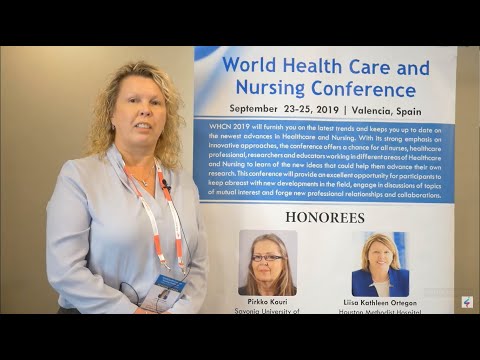
Thank YOU! For a wonderful experience. I met so many amazing people from all over the world and many of us bonded going forward. All the presentations were full of new and exciting things to hear and the hotel was just lovely. I enjoyed every minute.
 Penny Daugherty
Northside Hospital Cancer Institute, USA
Penny Daugherty
Northside Hospital Cancer Institute, USA
I met some extraordinary nurses from all over and was so impressed with their work
Elaine Clear St Vincent's University Hospital, IrelandSuch a distinguished conference and the entire magnificent organization
 Elena Baixauli Gallego
University of Valencia, Spain
Elena Baixauli Gallego
University of Valencia, Spain
Overall, the Conference was a success. Interesting topics and excellent speakers
 Elvessa Narvasa
Canadian Council of Cardiovascular Nurses, Canada
Elvessa Narvasa
Canadian Council of Cardiovascular Nurses, Canada
Thank you very much for a nice and interesting conference in Valencia, I really enjoyed it!
 Carrinna A. Hansen
University of Copenhagen, Denmark
Carrinna A. Hansen
University of Copenhagen, Denmark
The conference added value to me on medical robots as I would like to apply them to Zambia.
 Margaret C. Maimbolwa
University of Zambia, Zambia
Margaret C. Maimbolwa
University of Zambia, Zambia
An amazing scientifically enriching continued professional development meaningful experience with a brilliant platform for dynamic collaborations with interactive discussions and expert opinion-insights offering fascinating translational/public health avenues for evidence-based novel immunotherapy regimens and eventual design of predictive biomarkers for cost-effective disease management of inflammatory diseases with emphasis on evidence-based health management viz. gynecologic disorders/diseases in women of diverse genetic landscapes and lifestyles.
 Saumya Pandey
Indira IVF Hospital, India
Saumya Pandey
Indira IVF Hospital, India
The INNC platform provides information from various fields in healthcare for nurses, researchers, educators, administrators, policymakers, and students to improve their knowledge and experiences. In this new digital era, exchanging information in a real and virtual community promises to be a more efficient and attractive way to enrich our lives, foster meaningful relationships, and build a comprehensive and informative database for a better inner world and existence. Participation in these events gratifies people with credentials, recognizing their involvement in learning and contribution to science advancement.
 Sofica Bistriceanu
Academic Medical Unit - CMI, Romania
Sofica Bistriceanu
Academic Medical Unit - CMI, Romania
Dear colleagues, thank you for the honor and opportunity to participate in the conference! As always, the geography of the participants, the diversity of topics, and the breadth of interests are pleasing. Various aspects related to nursing, teaching methods, and preventive medicine were important. Such a broad exchange of opinions serves mutual enrichment, deepening mutual understanding, and international cooperation. I wish you further success and prosperity!
 Petrova Nataliya
Saint Petersburg State I. P. Pavlov Medical University, Russian Federation
Petrova Nataliya
Saint Petersburg State I. P. Pavlov Medical University, Russian Federation
Thank you for allowing me to participate in the conference. It was indeed an honor to share information with colleagues from around the world in a virtual setting. By using this technology platform, we are able to become more engaged and immersed in clinical research which truly can make an impact on future clinical practice. I am looking forward to the next INCC conference where knowledge is exchanged and shared.
 Daryle Wane
Pasco-Hernando State College, United States
Daryle Wane
Pasco-Hernando State College, United States
It was my first participation on an international conference. It was a very valuable and exciting experience for me. The special thing was to understand the different participants because of their mother tongue. My greatest fear was not to be able to understand the others, an other doubt was the insufficiency of my english. so, my advice for every new participant is not to be too nervous, because this event is great and connects us! It would be great to stay in touch.
Wish you all the best and hope to hear from you!!
 Schaffer Daniela
Klagenfurt Hospital, Austria
Schaffer Daniela
Klagenfurt Hospital, Austria
International Nursing Networking Conference (INNC) 2025. Attending INNC 2025 was an incredible experience. I connected with passionate professionals from around the world, gained valuable insights, and left feeling truly inspired. The sessions were impactful, the networking was genuine, and it reminded me why I chose nursing in the first place. I'm grateful for the opportunity and highly recommend it to anyone in the field.
 Lilian Sitsofe Ziga
Nursing and midwifery training college Odumase krobo, Ghana
Lilian Sitsofe Ziga
Nursing and midwifery training college Odumase krobo, Ghana
I had the honor of participating with you in your major scientific conference. I hope you will share the conference documents with me. Thank you for the opportunity. I am currently developing a detailed protocol on the role and policies of nursing during disasters and catastrophes, including the role of nursing in nuclear disasters. I hope to have future scientific meetings to share and develop science.
 Yousef Ahmed Al shaabi
Sanaa University, Yemen
Yousef Ahmed Al shaabi
Sanaa University, Yemen
Great greetings, Thanks a lot for your great efforts & unlimited care. It was a great & valuable conference. All presentations were fruitful. Looking for more future collaboration.
 Eman Salman Taie
Helwan University, Egypt
Eman Salman Taie
Helwan University, Egypt
I sincerely appreciate the privilege to be part of the participants at GCMN 2025. The conference was indeed an eye opener to the advancements in Material Science in various continents of the earth. The conference was really a success. Special thanks to the organizers of the academic conference for their hard work and support given to all participants before, during and after the scheduled conference activities.
 Olaniyi Awe
Obafemi Awolowo University, Nigeria
Olaniyi Awe
Obafemi Awolowo University, Nigeria

Copyright © 2021 IRIS Scientific Group | All Rights Reserved Terms and Conditions | Privacy Policy