
Day 1Monday, September 20, 2027

Returning mobility to over 45,000 patients using next generation biomaterials
Thomas J Webster, Brown University, United StatesNanomedicine is the use of nanomaterials to improve disease prevention, detection, and treatment which has resulted in hundreds of FDA approved medical products. While nanomedicine has been around for several decades, new technological advances are pushing its boundaries. For example, this…
View Full Abstract →
Why should nature be conserved
Dai Yeun Jeong, Asia Climate Change Education Center and Jeju National University, Korea, Republic ofNature can exist without humans, but humans can’t survive without nature. In this sense, nature is a house where humans live, and we define nature as a human environment determining the existence mode of humans. This is the base of why the original quality and structure of nature should be…
View Full Abstract →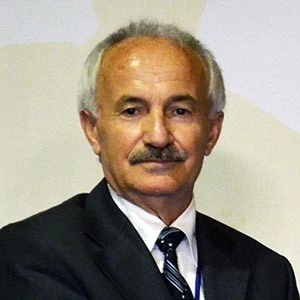
Memory characteristics and crystallographic basis of reversibility in shape memory alloys
Osman Adiguzel, Firat University, TurkeyShape memory alloys take place in a class of advanced smart materials by exhibiting dual memory characteristics, Shape Memory Effect and Thermoelasticity with special chemical compositions in the β-phase fields. Shape Memory Effect is initiated with thermomechanical processes on cooling and…
View Full Abstract →
Structure-guided discovery of novel small-molecule RSV fusion inhibitors for antiviral drug development
Muhammad Kashif Zamin, Shanghai Jiao Tong University, ChinaRespiratory syncytial virus (RSV) is a major respiratory pathogen, particularly affecting infants, older adults, and other vulnerable populations. Despite progress in RSV prevention, effective small-molecule treatments for established infection remain an important unmet need. The viral fusion (F)…
View Full Abstract →
Nickel-based metal–organic frameworks for CO2 conversion: Design strategies, mechanistic insights, and routes to value-added chemicals
Seyedmohammad Hosseininezhad, University of Zanjan, IranThe steady rise in atmospheric CO2 makes its catalytic conversion into value-added chemicals a central challenge of sustainable chemistry. Metal-organic frameworks (MOFs) are attractive platforms for this purpose because of their high surface area, tunable porosity, intrinsic CO2 affinity and…
View Full Abstract →
Thermochemical valorisation and kinetic modelling of automotive paint sludge: Solid-state kinetics, reaction mechanisms, and fluidized gas dynamics
Alexis Munyengabe, University of South Africa, South AfricaAutomotive paint sludge (APS) is a complex hazardous waste containing polymeric binders, organic solvents, inorganic fillers, and pigments. Thermochemical conversion offers a promising route for its valorisation; however, effective process design requires a detailed understanding of its thermal…
View Full Abstract →
Gold nanocomplexes anchored by new xanthine-based schiff bases: Molecular design and biocatalytic pathways in cancer cell inhibition
Ibtihal Kadhim Kareem, University of Kufa, IraqIn recent years, gold-based coordination complexes and nanomaterials have emerged as highly promising candidates in medicinal inorganic chemistry due to their unique optical properties and significant cytotoxic effects. This study reports the successful synthesis and characterization of a novel two…
View Full Abstract →
Waste-derived eggshell-based catalysts for sustainable valorization of tamarind seed waste into value-added bio-oil
Rudra Sarkar, Indian Institute of Petroleum and Energy, IndiaThe valorization of agro-industrial residues into value-added chemicals offers a sustainable pathway for resource utilization and supports the transition toward a circular bioeconomy. In this study, tamarind seed waste, an underutilized lignocellulosic biomass, was explored as a renewable feedstock…
View Full Abstract →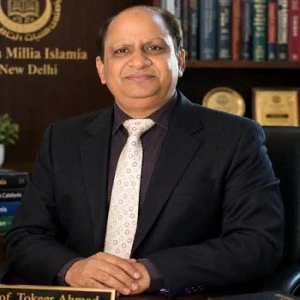
Advanced overall catalysis for sustainable green H2 energy
Tokeer Ahmad, Jamia Millia Islamia, IndiaAdvanced materials-based heterogeneous catalysis involving photochemical and photoelectrochemical water splitting offers a promising route for hydrogen generation as renewable green energy to address the ongoing fuel crisis. Carbon-based materials are ideal for overall water splitting due to the…
View Full Abstract →
Machine-learning-guided discovery of compositionally complex oxide electrocatalysts for oxygen evolution
Gholamreza Nabi Bidhendi, University of Tehran, IranBackground/Problem: The oxygen evolution reaction (OER) limits the efficiency of water electrolysis. Multimetal oxide catalysts offer broad compositional flexibility, but experimentally exploring this design space is costly. A five-element formulation alone does not establish a single-phase…
View Full Abstract →
Day 2Tuesday, September 21, 2027
The Day 2 program will be updated shortly
We're preparing this information. Please check back soon.
Day 3Wednesday, September 22, 2027
The Day 3 program will be updated shortly
We're preparing this information. Please check back soon.